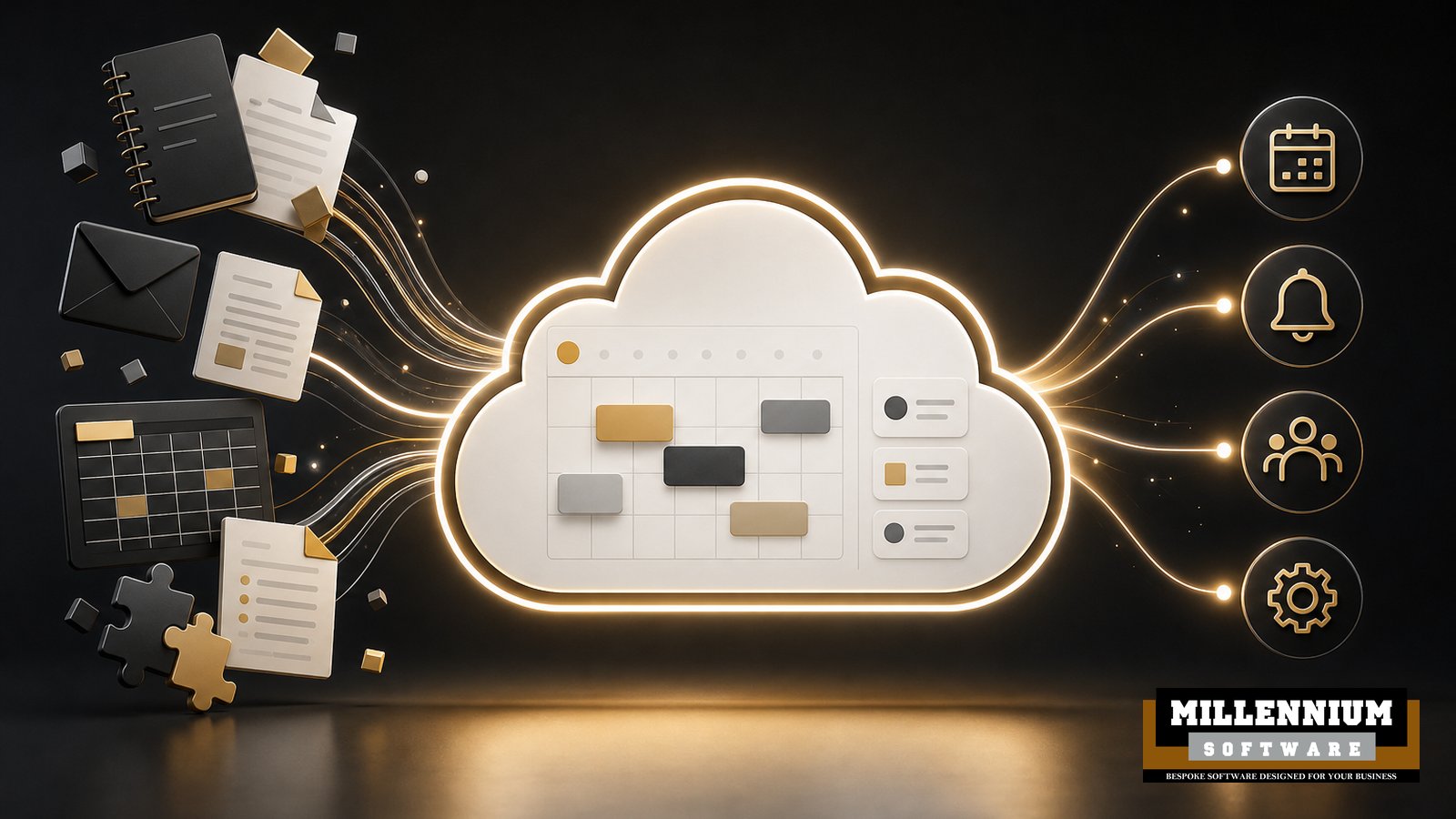
As a business owner or manager, one of the most pressing questions you may face is whether to build your own booking or reservation system. This decision is crucial, especially if your current systems are fragmented, inefficient, or failing to meet your needs. This article aims to guide you through the factors to consider when evaluating a custom booking system for your business.
Understanding Your Business Needs
Before making any decisions, it’s essential to have a clear understanding of your specific business needs. Are you managing appointments, event registrations, or room bookings? Each type of booking has different requirements, and knowing what you need will help you assess whether a bespoke solution is necessary.
For instance, a business that handles a high volume of appointments may require a system that integrates seamlessly with calendar tools, offers automated reminders, and allows for easy rescheduling. On the other hand, a venue that manages event bookings may need features like seating arrangements and payment processing. Identifying these needs is the first step in determining the suitability of a custom booking system.
Evaluating Existing Solutions
Next, assess the existing solutions on the market. While many businesses lean towards off-the-shelf booking systems, they often come with limitations. These could include lack of integration with other tools, inflexibility in customization, or high subscription costs for features you may never use.
For example, you might find that a generic system requires manual data entry into spreadsheets, leading to duplication and errors. This can cost your team valuable time and lead to frustrating customer experiences. In contrast, a bespoke booking system can be tailored to your workflow, eliminating these inefficiencies.
The Benefits of Custom Development
Building a custom booking system offers several advantages. Firstly, you gain a solution that is tailored specifically to your business processes, ensuring that it fits like a glove. This means fewer workarounds and a more streamlined operation.
Another key benefit is scalability. As your business grows, your booking needs may change. A bespoke system can evolve with you, incorporating new features and integrations as required. This adaptability can save you time and money in the long run, as you won’t need to switch systems or pay for additional subscriptions.
Cost Considerations
While the initial investment in a custom solution may seem daunting, it’s important to consider the long-term cost-effectiveness. By working directly with a developer, like Steve at Millennium Software, you can avoid the overhead costs associated with sales teams and agencies.
This direct line of communication allows for a more efficient development process where you can provide feedback in real time. Furthermore, a bespoke system can significantly reduce the time your staff spend on manual tasks, freeing them up to focus on more strategic activities that drive growth.
Integration with Existing Tools
Another factor to consider is how well a custom booking system can integrate with your existing tools. Many businesses rely on a suite of software solutions for various operations, from CRM systems to invoicing tools. A bespoke system can be designed to work alongside these tools, creating a cohesive workflow.
For example, if your sales team uses a specific CRM to manage customer relationships, a custom booking system could be integrated to automatically update customer records based on bookings. This reduces the chances of human error and ensures your data remains accurate and up to date.
Frequently asked questions
How long does it take to build a custom booking system?
The timeline can vary based on the complexity of the system and your specific requirements. However, working closely with a developer can help streamline the process.
What if my needs change after the system is built?
A custom solution is designed to be adaptable. You can work with your developer to implement changes as your business evolves.
Is a custom booking system secure?
Yes, a bespoke system can be built with security as a priority, ensuring that your customer data is protected.
How can I start the process of building a custom system?
The first step is to tell me what you are trying to solve. Discussing your specific needs with a developer can help clarify your options.
In conclusion, deciding whether to build your own booking or reservation system is a significant decision that can impact your business operations. By carefully evaluating your needs, existing solutions, and the benefits of custom development, you can make an informed choice. If you feel that a bespoke solution may be the right fit, don’t hesitate to reach out to discuss your situation directly with Steve at Millennium Software.